Quick Guide: Best Vitamins and Supplements to take for Gluteal Tendinopathy
Vitamin C
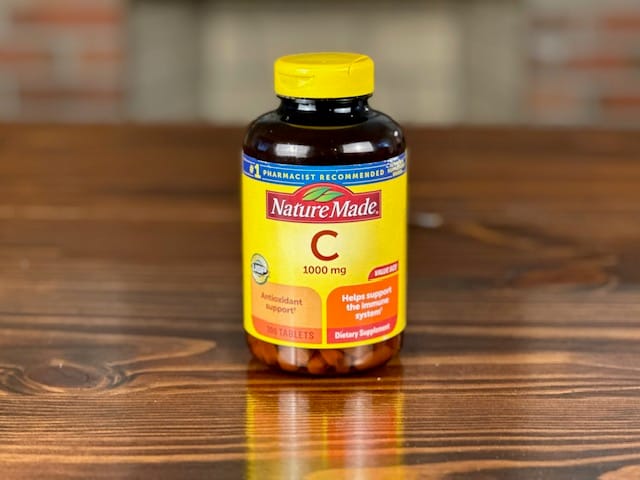
- Required for collagen production in tenocytes
- Reduces scar tissue in tendon injuries
- Improves healing via angiogenesis and collagen synthesis
- Best Vitamin C Supplement in the link below
Glucosamine and Chondroitin
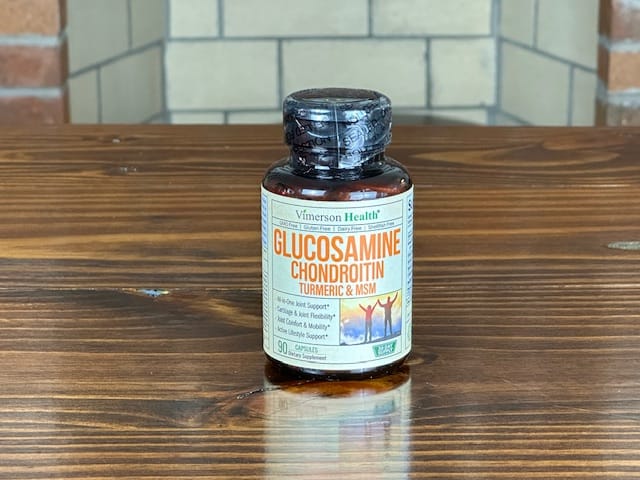
- Increases collagen synthesis and reduces inflammation
- Improves tendon strength in 8-week rat studies
- Enhances collagen alignment and tendon quality in rabbit models.
- Best Glucosamine and Chondroitin Supplement in the link below
Whey Protein
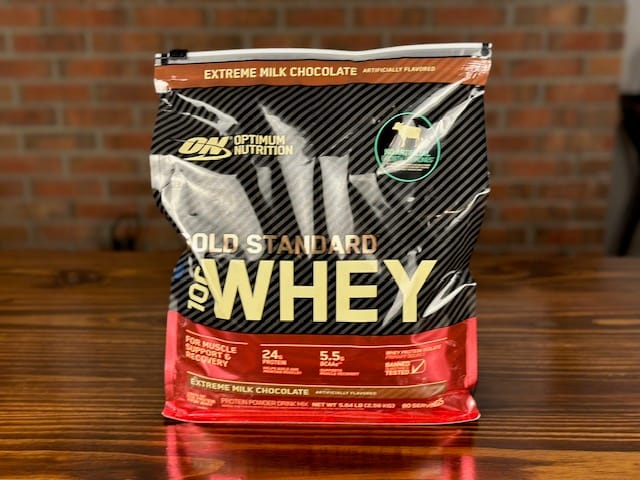
- Helps maintain muscle and reduce atrophy
- Provides L-arginine to support nitric oxide production
- May reduce fibrosis and chronic inflammation
- Best Whey Protein Supplement for gluteal tendinopathy in the link below
Zinc

- Increases tendon tensile strength and toughness
- Stimulates tendon-derived stem cell proliferation
- Suppresses pro-inflammatory mediators
- Best Zinc Supplement in the link below
Disclaimers and Disclosures: All information in this article is for informational and educational purposes only and should not be taken as individual medical advice. Additionally, this article contains affiliate links, meaning when you make a purchase, we make a small commission at no additional cost to you. For more information, see our full Disclaimers and Disclosures.
How to Support Gluteal Tendinopathy Healing with the Right Vitamins and Supplements
Recovering from gluteal tendinopathy can feel frustrating, especially when daily activities like walking, climbing stairs, or sleeping on your side suddenly become painful. While progressive strengthening and stretching exercises for gluteal tendinopathy are the cornerstones of rehabilitation, the right vitamins and supplements can also play a supportive role in helping your tendon heal more efficiently.
A well-balanced diet filled with lean proteins, vegetables, fruits, whole grains, and adequate hydration provides the foundation for tendon repair. But even with good nutrition, many people fall short on specific nutrients that play a direct role in collagen production, inflammation control, and tendon remodeling. That’s where targeted supplementation may become helpful.
In this article, I’ll cover the most important vitamins and supplements that may support healing from gluteal tendinopathy, based on the available scientific evidence. I’ve grouped them into two categories:
- Supplements with stronger research support for tendon healing, and
- Supplements with promising but emerging evidence that may still offer benefit.
I’ll also outline general dosing guidelines reported in studies whenever possible, along with the timelines used in research. However, supplements can interact with medications or other health conditions, so it’s always best to speak with your physician before starting anything new.
Vitamins and Supplements with Strong Evidence Supporting use with Gluteal Tendinopathy
Vitamin C improves angiogenesis and collagen synthesis
Vitamin C plays a key role in collagen formation, and tendons rely heavily on collagen to maintain strength, stiffness, and proper alignment. Without adequate vitamin C, the body cannot efficiently build or repair collagen fibers.
Experimental studies reinforce this connection. Research on chicken tendon injuries found that vitamin C supplementation led to less fibrotic scar tissue, which suggests more organized and functional healing. Excess scar tissue can limit tendon elasticity and contribute to long-term pain or stiffness.
Additional rat studies showed that vitamin C can enhance tendon repair by stimulating angiogenesis (new blood vessel formation) and improving overall collagen synthesis. Better microcirculation means tenocytes receive improved nutrient supply, which may speed up early healing and support healthier tissue remodeling.
For individuals with gluteal tendinopathy, vitamin C may help optimize collagen turnover during rehabilitation—especially when paired with mechanical loading.
The best Vitamin C supplement to take for gluteal tendinopathy is in the link below.
Glucosamine and Chondroitin reduces inflammation and strengthens tendons
Glucosamine and chondroitin are two of the most researched joint-support supplements, and emerging evidence shows they may also play a role in supporting tendon health, particularly during chronic tendinopathy. Both compounds are naturally found in connective tissue and appear to influence how tenocytes—the cells that form tendon tissue—produce collagen.
Research in cell models shows that these nutrients can increase collagen synthesis while reducing inflammatory signaling, creating a more favorable environment for tendon remodeling. This is particularly important in gluteal tendinopathy, where chronic overload leads to disorganized collagen and ongoing low-grade inflammation.
Animal studies support these cellular findings. An 8-week rat study demonstrated improved tendon strength and better biomechanical properties, suggesting that supplementation may help tendons tolerate load more effectively. A rabbit study using clinically relevant doses (GlcN sulfate 210–250 mg/kg/day and CS 170–200 mg/kg/day) showed better collagen alignment and higher histological scores after 12 weeks. Well-aligned collagen fibers are essential for restoring tendon stiffness and load capacity.
While human studies are still limited, this early evidence suggests glucosamine and chondroitin may help optimize tendon structure when combined with progressive loading exercises.
The best Glucosamine and Chondroitin supplement is in the link below.
Whey Protein (L-Arginine) to reduce atrophy in the gluteal muscle and fibrosis in the gluteal tendon
Whey protein is widely used to support muscle repair, hypertrophy, and recovery, all of which are essential in treating gluteal tendinopathy. Weakness in the hip abductors, extensors, and stabilizers is one of the biggest contributors to excessive compressive load on the gluteal tendons, so adequate protein intake is crucial.
Beyond its role in muscle rebuilding, whey protein contains L-arginine, an amino acid used to produce nitric oxide. Nitric oxide is important for tendon health because it increases blood flow, supports cellular activity, and plays a role in collagen remodeling.
Some studies also show that L-arginine has anti-fibrotic effects, reducing the risk of excessive scar formation and minimizing chronic inflammation. This may help tendons recover more efficiently, especially in chronic degenerative conditions where fibrosis contributes to pain and poor function.
Overall, whey protein supports both the muscle system that unloads the gluteal tendons and the biochemical environment that promotes tendon healing.
The best Whey Protein supplement can be found in the link below.
Zinc to increase gluteal tendon tensile strength and reduce inflammation
Zinc is an essential mineral involved in cellular repair, collagen production, and immune function. Tendons contain zinc-dependent enzymes that influence how collagen is formed, cross-linked, and remodeled.
Animal research provides promising tendon-specific insights. A 30-day rat study on Achilles tendons found that zinc supplementation significantly increased tensile strength and toughness, meaning the tendon could tolerate more force before failing. For gluteal tendinopathy—where tendon load tolerance is reduced—this could be particularly relevant.
In vitro studies also show that zinc can stimulate proliferation of tendon-derived stem cells, which are responsible for generating new tendon tissue. At the same time, zinc helps suppress pro-inflammatory mediators, potentially reducing the chronic inflammatory state associated with tendinopathy.
Together, these effects suggest zinc may support both the structural and cellular components of tendon healing.
The best combined Zinc and Magnesium supplement can be found in the link below.
Vitamins and Supplements That may be Beneficial for Gluteal Tendinopathy
Curcumin for anti-inflammatory effect and reduction in collagen cross-linking
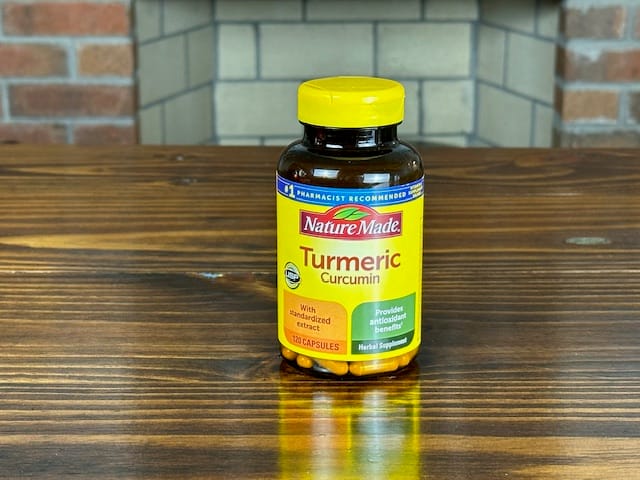
Curcumin—the active compound in turmeric—is a powerful antioxidant known for its ability to neutralize free radicals and reduce inflammation. Tendon tissue is particularly vulnerable to oxidative stress, which can accelerate collagen breakdown and impair healing.
Research shows that curcumin can reduce the buildup of harmful metabolic byproducts, the same substances that contribute to abnormal collagen cross-linking in chronically overloaded tendon tissue. Excess cross-linking leads to stiffer, less functional tendon fibers.
Curcumin’s anti-inflammatory effects may help reduce local cytokines and inflammatory mediators, allowing for more organized and stronger tendon formation during the remodeling phase. While not a replacement for load management, curcumin can support recovery by improving the biochemical conditions for tendon healing.
The best Curcumin supplement can be found in the link below.
Vitamin D regulates collagen synthesis and reduces inflammation

Vitamin D plays a significant role in musculoskeletal health, influencing muscle performance, immune balance, and collagen regulation. Tendon tissue expresses vitamin D receptors, and deficiency is increasingly linked to tendon disorders, impaired healing, and chronic pain.
Studies suggest vitamin D helps regulate the balance between collagen production and inflammation. In deficiency states, tendons may become more vulnerable to overuse and less capable of normal remodeling.
For people with gluteal tendinopathy, optimizing vitamin D levels may help improve both tendon metabolism and muscle function, which can reduce strain on the gluteal tendons during activity. This makes it a simple but impactful supplement when deficiency is suspected.
The best Vitamin D supplement can be found in the link below.
Voltaren Gel (Diclofenac Sodium) used as a topical anti-inflammatory
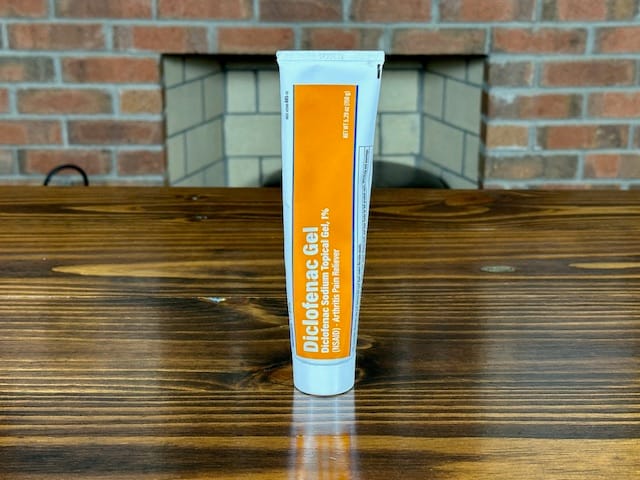
Voltaren gel is a topical NSAID that provides localized anti-inflammatory and analgesic effects. Unlike oral NSAIDs, it delivers the medication directly to the affected area with minimal systemic exposure.
Research shows it can be effective for short-term relief of pain and inflammation, which can help patients tolerate activities such as walking or early strengthening exercises. This makes it a useful adjunct during flare-ups or when symptoms temporarily spike.
However, studies consistently show no long-term healing benefit from topical NSAIDs. While Voltaren can reduce symptoms, it does not appear to influence collagen repair or tendon remodeling. It’s best used intermittently and in combination with a proper loading program.
The best topical Diclofenac Sodium can be found in the link below.
Concluding Thoughts: What are the best vitamins and supplements for gluteal tendinopathy?
The most helpful vitamins and supplements for supporting recovery from gluteal tendinopathy are Protein (especially whey protein), Zinc, Vitamin C, and Glucosamine + Chondroitin. These nutrients support tendon healing by improving collagen production, reducing inflammation, and helping your tissues better tolerate progressive loading.
Additional supplements such as Curcumin, Vitamin D, and other anti-inflammatory compounds may also offer benefit, especially in chronic or long-standing cases where oxidative stress and low-grade inflammation contribute to ongoing pain.
While supplements can support the healing environment, they work best when paired with a proper rehabilitation program focused on gradual strengthening, load management, and movement control. Now that you have all the supplements you need, make sure to check out our article on the best exercises for gluteal tendinopathy.
Wishing you a smooth and steady recovery as you continue your journey toward pain-free walking, standing, and all of your favorite activities!
Why Trust Physical Therapy Simplified for Guidance on Gluteal Tendinopathy Supplements?
At Physical Therapy Simplified, our mission is to provide an easily accessible and highly reputable source of physical therapy information that anyone can understand, follow, and benefit from. We want you to feel confident that you are getting the best content and information that will help to reduce your pain and restore you to your highest functional potential.
The author of this article, Andrew Harkins, DPT, has demonstrated expertise in the field of physical therapy and is certified by the American Board of Physical Therapy Specialities as an Orthopedic Clinical Specialist. He has over twelve years of experience as a licensed physical therapist and is an expert in treating conditions related to the hip and tendon disorders.
Andrew has worked as a teaching assistant at the University of Pittsburgh in their Doctor of Physical Therapy Program. Specifically, he contributed to musculoskeletal coursework and provided instruction on evidence-based treatment of lower extremity disorders.
You can trust that the information provided here is grounded in clinical expertise, current research, and real-world outcomes.